
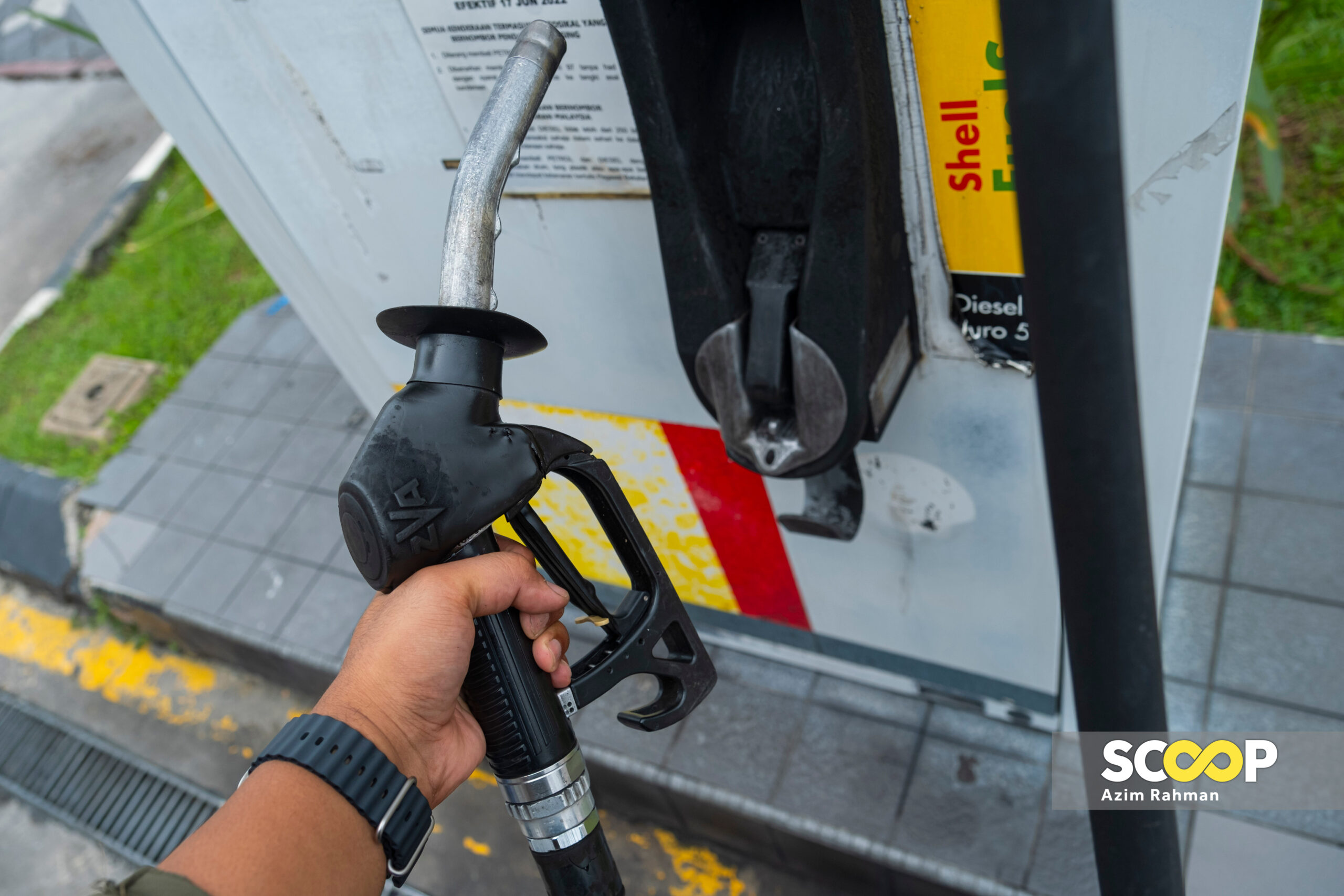
KUALA LUMPUR – Individual private diesel vehicle owners who qualify for the Subsidised Diesel Regulation System (SKDS 2.0) will receive cash assistance to offset daily transportation costs following the implementation of the targeted diesel subsidy system, said the Transport Ministry.
In a statement, the ministry said the eligibility criteria include having an active motor vehicle license (LKM) and meeting other conditions detailed on the Budi Madani website.
SKDS 2.0 was first announced by the Finance Ministry on May 29, 2024.
“This new system aims to address issues of subsidy leakage and diesel smuggling, ensuring that only eligible groups benefit from the subsidy,” the Transport Ministry said.
“The savings from this rationalisation will be redirected towards impactful public transportation development programmes for the welfare of the people.
The Transport Ministry noted that the diesel subsidy initiative, which began in 2013, originally covered 10 types of land public transport vehicles nationwide. These included express buses, school buses, stage buses, rental cars, mini buses, feeder buses, NGO fire trucks, NGO ambulances, hearse vans and trucks, and taxis.
Under the new SKDS 2.0, which currently applies only to Peninsular Malaysia, 23 categories of vehicles are now eligible for the diesel subsidy.
The categories include rigid cargo lorries, prime movers, refrigerated rigid lorries, flour tank rigid lorries, Luton/box rigid lorries, window vans, water tank rigid lorries, panel vans, bottled beverage rigid lorries, curtainsider rigid lorries, food catering lorries, agricultural produce rigid lorries, beverage tank rigid lorries, livestock rigid lorries, semi-panel vans, combination rigid lorries, mobile service buses, open platform rigid lorries, mobile service vans, food catering buses, food catering vans, mobile service rigid lorries, and garbage rigid lorries.
Eligibility requirements for the SKDS 2.0 subsidised diesel application include companies registered under the Companies Act 2016 or sole proprietorships or partnerships registered under the Registration of Business Act 1956 or the Limited Liability Partnerships Act 2012.
Vehicles must be registered under the ownership of the company, sole proprietorship, or partnership and must have a valid LKM. Additionally, vehicles must fall under one of the 23 eligible categories listed above, the Transport Ministry said.
“Owners of vehicles that meet the criteria but face application issues related to classification, type, usage, and/or vehicle registration category can refer to the Automotive Engineering Division or the Vehicle Registration and Licensing Division at the Road and Transport Department headquarters or any of its state offices for specification verification.”
For further inquiries about the diesel subsidy targeting implementation, contact the SKDS 2.0 call centre, available from 8am to 5pm on working days, at 03-8882-6769, 5917, 6176, 5894, or 5893. – June 9, 2024