

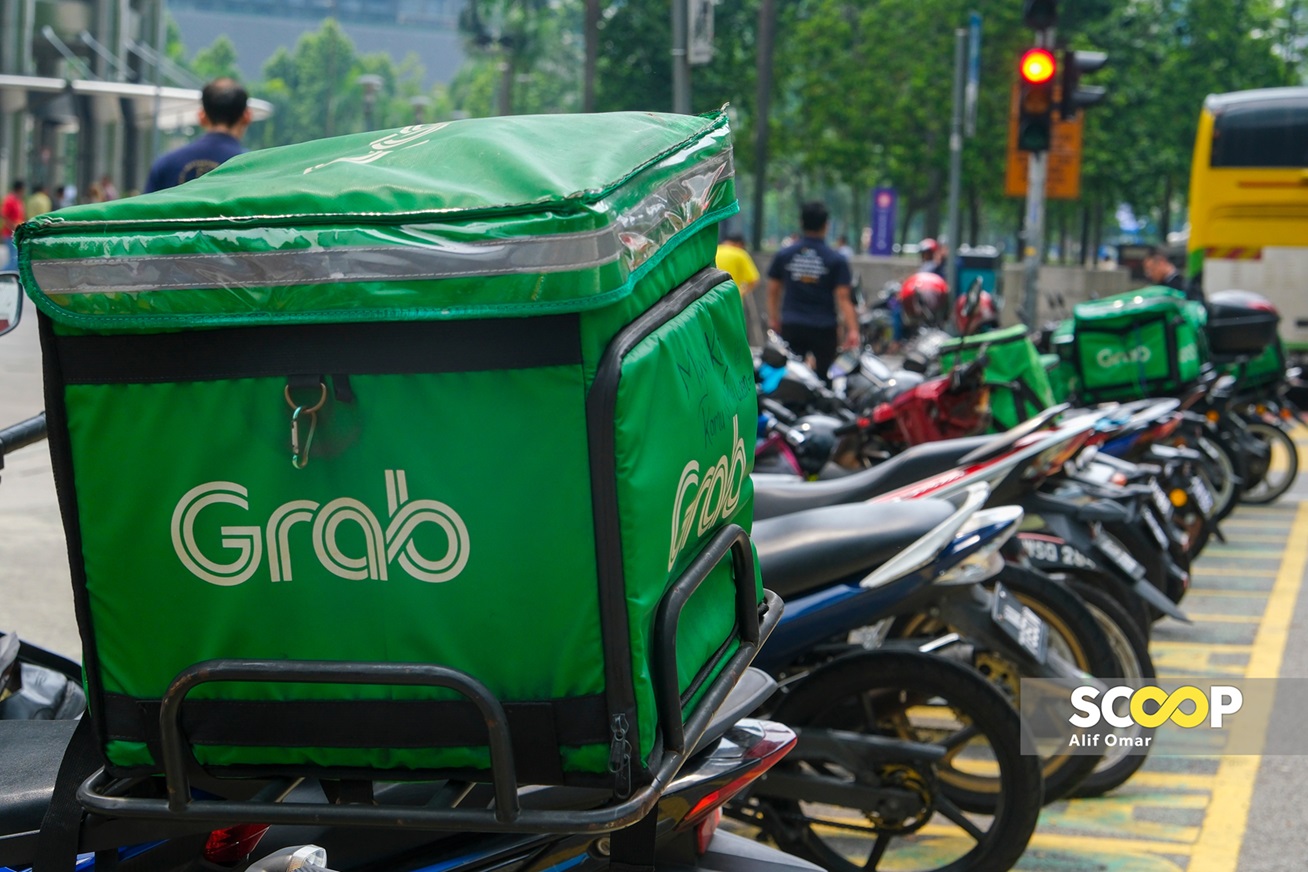
KUALA LUMPUR – Grab Malaysia has welcomed the Gig Workers Tribunal’s decisions under the Gig Workers Act 2025 (Act 872), saying the findings affirmed the legitimacy of its safety measures, fare calculations, operational mechanisms and incentive policies.
The Tribunal dismissed the majority of claims brought against the e-hailing platform, including challenges concerning its algorithmic systems, passenger rating mechanisms, dispute resolution processes and contractual arrangements, the company said in a statement.
Grab said the decisions also upheld its right to take action against driver-partners found to have committed safety violations or misconduct towards passengers.
It added that the Tribunal recognised the legitimate purposes of several operational features, including temporary booking pauses, cancellation limits and automated ride assignments, which it said were necessary to maintain an efficient and reliable service.
According to Grab, these mechanisms help prevent repeated cancellations, ensure cancellation reasons are used appropriately, minimise driver idle time and improve the efficiency of booking assignments.
The company said the Tribunal also dismissed claims concerning its incentive structures, affirming the contractual fairness and operational validity of its incentive policies.
However, Grab said the Tribunal’s remaining observations were limited to recommendations for improving the clarity of information provided to driver-partners on how certain platform features work.
The company said it was reviewing the recommendations before deciding on its next course of action.
Explaining the rationale behind its operational policies, Grab said driver-partners’ daily earnings depended not simply on securing higher fares for individual trips, but also on completing successive bookings while minimising unpaid waiting time.
It said automatically assigning bookings to the nearest available driver helped reduce idle periods and unnecessary travel, as driver-partners would not have to cover long distances to collect passengers.
The system also benefits passengers by reducing waiting times. Grab said cancellations fell sharply when passengers were assigned a driver within 1.5 minutes.
Conversely, repeated rejection or cancellation of bookings could affect both drivers and passengers, the company said.
For instance, when two drivers decline a booking, the system may assign it to a third driver located further away. This could result in longer waiting times and prompt passengers to cancel their rides.
The driver who eventually accepts the booking could also lose money on fuel and travel time if the passenger cancels, while the two drivers who initially rejected the job remain idle as they wait for another assignment.
Grab said such disruptions could also discourage passengers from using the platform, potentially reducing the overall number of bookings and, consequently, driver-partners’ earning opportunities.
It maintained that these features were not intended to undermine driver-partners’ independence, but to minimise delays, reduce unnecessary travel and ensure the platform operated efficiently for all users.
Grab added that it would continue investing in features, tools and support mechanisms to protect driver-partners and help them maximise their earning potential, including measures introduced before the Gig Workers Act came into force.
The company reiterated that it sought to balance the interests of driver-partners with the operational policies needed to maintain a safe and dependable service for passengers.
As Malaysia’s gig economy adapts to the evolving regulatory landscape, Grab said it would continue engaging with driver-partners, taking their feedback into account and working with regulators to develop a sustainable ecosystem for the industry. – November 12, 2026