

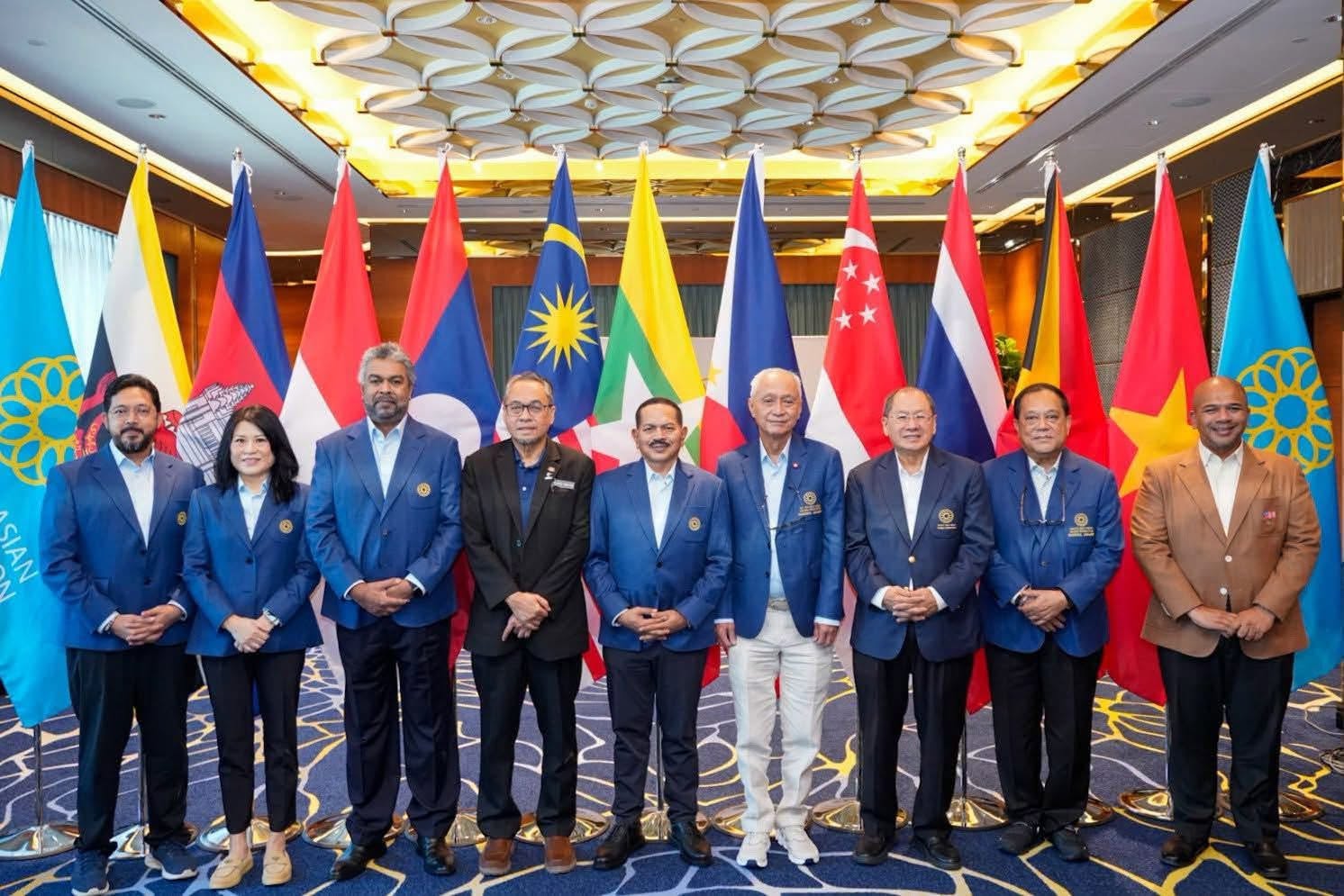

KUALA LUMPUR – The Southeast Asian Games Federation (SEAGF) must provide a clear explanation for the exclusion of several Olympic sports from the 2027 SEA Games programme, amid concerns that host nations are prioritising medal prospects over the broader development of sport in the region, says sports analyst Sadek Mustaffa.
With Indonesia and Singapore among the countries expressing dissatisfaction over the omissions, Sadek said the controversy raised questions about the direction of the regional sporting event and whether it was still fulfilling its role in promoting fair competition among participating nations.
Speaking to Scoop, he said the exclusion of sports contested at the Olympic Games was difficult to justify, warning that such decisions could undermine efforts to raise sporting standards across Southeast Asia.
While acknowledging that host nations, including Malaysia, traditionally aim to top the overall medal standings when organising the Games, he said this should not come at the expense of the competition’s wider objectives.
“This is not unusual for SEA Games hosts, as every country, including Malaysia, wants to become the overall champion when organising the Games.
“However, it is rather strange that sports contested at the Olympic Games are being sidelined. This is something that could set sporting development in the region backwards,” he said.
Sadek conceded that the organising committee might have its own considerations when deciding which disciplines to include, but stressed that the long-term development of regional sport should remain a priority.
He said the SEAGF had the authority to determine the sporting programme, but should also be receptive to appeals from countries and sporting organisations seeking the reinstatement of excluded events.
“SEAGF certainly has the authority to make decisions on the sports programme, but any further developments concerning appeals to have certain sports reinstated should still be considered.
“There must be room for further discussions, in keeping with the spirit of sport itself,” he said.
Sadek added that selecting events in which the host nation has a competitive advantage was an established practice at the SEA Games and was not exclusive to Malaysia.
However, he said the SEAGF could not ignore the concerns raised by participating countries, particularly when decisions on the programme could affect their athletes’ opportunities to compete.
He cautioned that failing to address the dissatisfaction could deepen divisions among member nations and damage the SEA Games’ reputation as a platform for regional sporting cooperation.
Any decision by countries to boycott the 2027 edition would, he said, point to a failure by the federation to uphold the principles underpinning the competition.
“If countries eventually decide to boycott the Games because of their dissatisfaction, it would mean that the SEAGF has failed to function according to the principles it stands for.
“The SEA Games should be a platform for regional unity, sporting excellence and healthy competition, rather than becoming a source of division among neighbouring countries,” he said.
The 2027 SEA Games will be held in Malaysia from September 18 to 29, featuring 43 sports and 473 medal events.
This represents a reduction from the 2025 edition in Thailand, which featured 50 sports and 573 medal events.
Indonesia has voiced strong reservations over the exclusion of several disciplines in which its athletes have traditionally been competitive, while Singapore has also expressed disappointment over the removal of sports in which it has enjoyed success. – November 14, 2026